Cellular nutrition explained · New York City
What is Cellular Nutrition? Benefits, BIONIQ & NAD+ | NYC
Cellular nutrition focuses on the nutrients your cells use every day for energy metabolism, maintenance, and repair. Our approach combines everyday food choices, personalized cellular nutrition supplements, and personal coaching to address your nutritional needs.
Eating well is the foundation. Yet changing needs with age, difficulty absorbing certain nutrients, and gaps in your usual diet can make targeted cellular nutrition supplementation worthwhile. We review your routine and goals to build a practical plan around you.
In-person consultation and body analysis in NYC · Virtual nutrition programs nationwide

From everyday nutrients to normal cell function
How Does Cellular Nutrition Work?
Cellular nutrition begins with the same essential processes your body uses every day: digesting food, absorbing nutrients, and making them available to cells. A useful plan considers both what you consume and how it fits your individual needs.
Digest your food
Your digestive system breaks food into smaller components. Proteins become amino acids, carbohydrates become simple sugars, and fats are broken down for absorption.
Absorb and transport nutrients
The small intestine absorbs most nutrients. Blood and the lymphatic system transport absorbed nutrients so the body can store or use them.
Use nutrients in your cells
Cells use available nutrients for processes including energy metabolism and the production and maintenance of body tissues. Adequate intake supports these normal functions.
Food quality, healthy aging, and everyday consistency
When Can Cellular Nutrition Supplements Be Useful?
A varied diet is the foundation of cellular nutrition. Supplements can be useful when usual intake is inadequate or a specific need calls for attention. Choosing them starts with understanding your circumstances.
Your needs can change with age
Many older adults need fewer calories while still needing plenty of nutrients. That makes the nutritional value of each meal especially important.
Absorption can also change. For example, reduced stomach acid can make it harder to release vitamin B12 from food. Fortified foods or an appropriate supplement can be useful in this situation. This does not mean aging reduces absorption of every nutrient.
Food's nutrient content can vary
A study comparing USDA data for 43 garden crops from 1950 and 1999 found apparent declines in six of 13 nutrients assessed, with no statistically reliable changes in the other seven.
Nutrient density depends on the food and the nutrient being measured. Choose a varied diet and assess your usual intake before deciding what additional support belongs in your plan.
More calories do not guarantee better nutrition
Simply eating larger portions may add calories without addressing a particular nutrient gap. A varied pattern of nutrient-dense foods is a better starting point.
When a gap remains, a suitable vitamin or mineral supplement can add a specific nutrient with little or no additional energy. Protein shakes and meal replacements contain calories and should fit within your overall food plan.
Real life makes consistency challenging
Travel, demanding schedules, food preferences, and restrictive diets can make it difficult to maintain variety. One imperfect day does not establish a deficiency; your usual eating pattern matters more.
A practical plan starts with that pattern, then considers whether targeted supplements could address likely shortfalls. Coaching supports the everyday habits that make the plan sustainable.
The role of cellular nutrition: Build a strong food foundation and address specific gaps with products chosen for your circumstances. Supplement needs differ, and no formula guarantees complete nutrition or corrects every absorption problem.
Know the process behind the product
How to Evaluate a Cellular Nutrition Company
Start with the company's website. Look for a clear explanation of ingredient sourcing, research, laboratory capabilities, manufacturing, and testing. The most useful information is specific enough to verify.
1. A documented seed-to-feed process
Look for oversight from ingredient sourcing through processing, manufacturing, and finished-product testing. For botanical ingredients, ask how cultivation, harvesting, and ingredient identity are controlled.
A company may describe this as “seed-to-feed” or use another name. Check the steps and supporting evidence behind the description.
2. Research and laboratory capabilities
Does the company operate its own research and quality-control laboratories? Look for facility locations, qualified scientific staff, and an explanation of the work performed there.
In-house capabilities can show investment in research. Also check how any external laboratories are qualified and what testing they perform.
3. Labs planned for reliable measurements
Ask how scientific, engineering, and quality expertise inform laboratory design and operation. Equipment placement should suit the instruments and testing methods, with appropriate controls for vibration, temperature, and contamination.
Look for documented installation, calibration, and maintenance practices. These are more informative than photographs of sophisticated equipment.
4. Research relevant to the product
Check whether a study tested the finished product, an individual ingredient, or nutrition in general. Compare the formulation, dose, participants, and measured outcomes with the product and benefit advertised.
An older study may remain relevant, but a different formula or dose can limit its applicability. Read the results and funding disclosures; a trial listing alone does not establish a benefit.
5. Clear product-testing standards
Look for explanations of how ingredients and finished products are checked for identity, purity, strength, and composition, including relevant contaminant testing.
Ask how the company verifies consistency and stability. A detailed quality process gives you more to assess than a general promise of premium ingredients.
6. Verifiable independent credentials
Check manufacturing audits, laboratory accreditation, or independent product certifications. Verify the issuing organization, current status, and scope.
A laboratory credential applies to specified testing activities; it does not automatically certify every product or prove a health benefit.
Research on a vitamin is not proof of a brand’s product
A list of scientific references can look impressive. General research about a nutrient does not, by itself, establish that a particular product is superior, better absorbed, or effective for the advertised benefit. Follow the study link and check exactly what was tested.
Clinical research assesses particular health outcomes. Quality testing checks characteristics such as ingredient identity, purity, and label amounts. Look for clear explanations of both, alongside a documented sourcing-to-product process.
Sources and product-quality references
- NIH: Vitamin B12, food absorption, and older adults ↗
- USDA: Healthy Eating for Older Adults ↗
- Davis and colleagues: Changes in USDA food composition data, 1950–1999 ↗
- NIH: Dietary supplement quality and appropriate use ↗
- FDA: Supplement manufacturing, laboratory facilities, and testing controls ↗
- NIH: Product identity, purity, strength, composition, and stability in research ↗
- NIST: Environmental controls in precision laboratories ↗
- NIDDK: Digestion, nutrient absorption, and transport ↗
- FTC: Matching research to the product and advertised benefit ↗
Manhattan consultations · Virtual programs nationwide
Personalized Cellular Nutrition in NYC
Begin with a 45-minute, $59 consultation at our Manhattan office: 1115 Broadway, 10th Floor, New York, NY 10010. We review your goals, eating habits, current supplements, and body composition estimates to discuss a cellular nutrition plan suited to your routine.
Cellular Nutrition Products: Options Within Your Plan
These products serve different purposes. Recommendations depend on your needs; they are not a required bundle. Product links open in a new tab or window.
Meals, Formula 1 & HELIO
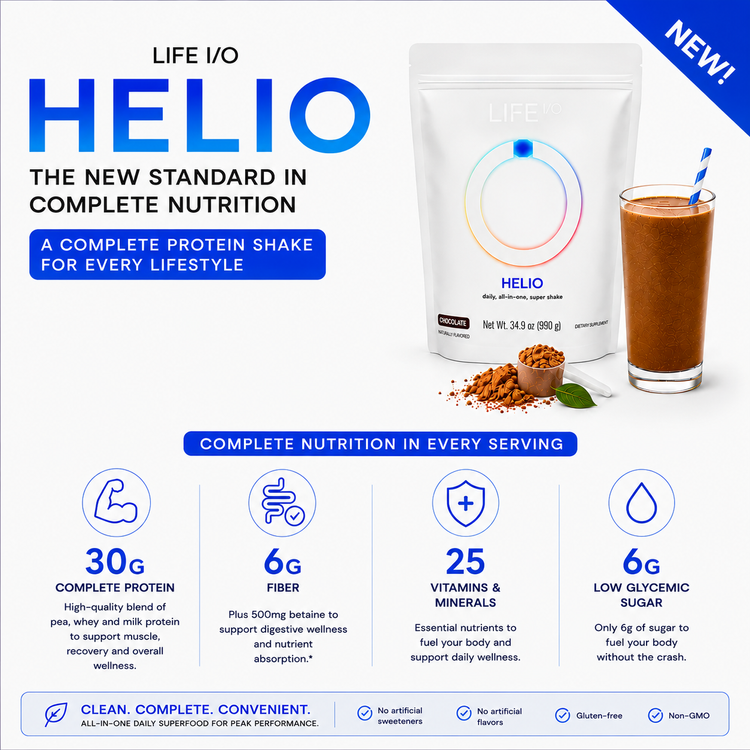
We organize your daily nutrition around your needs. Formula 1, micronutrient products, or HELIO protein may be convenient additions when they fit your plan.
Explore HELIO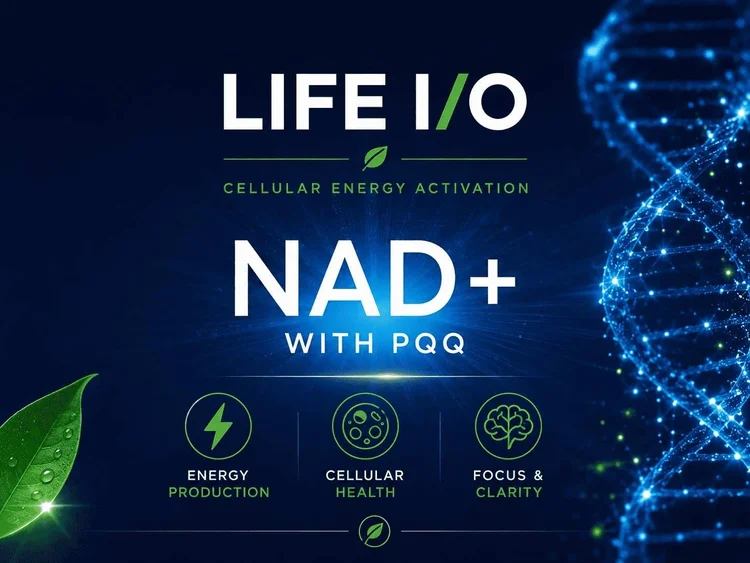
Cell Activator & NAD+ Support
Cell Activator contains alpha-lipoic acid. Life I/O includes Niagen® nicotinamide riboside, a precursor to NAD+, alongside PQQ and CoQ10. We review suitability individually.
Explore Life I/O
BIONIQ Personalized Vitamins
BIONIQ GO uses a wellness assessment to match you with a micronutrient formula. We consider how that option fits your broader nutrition program.
Take the wellness assessmentNitric Oxide Pathway Support
Niteworks provides L-arginine and L-citrulline, ingredients involved in the body's nitric oxide pathway. We consider it alongside your health history and other products.
Explore NiteworksDiscuss your usual food intake, goals, and body composition estimates during the in-person NYC consultation.
Consider practical food changes and selected products in the context of your preferences and current routine.
Enrolled programs include complimentary unlimited weekly follow-up coaching.
Your body composition scan estimates body metrics; it does not measure vitamin levels or diagnose deficiencies. Virtual cellular nutrition programs are available nationwide. Medical concerns and suspected deficiencies should be assessed by your healthcare professional.
Choosing your next step
Cellular Nutrition: Frequently Asked Questions
Practical answers about cellular nutrition supplements, product research, and consultations in New York City.
How is cellular nutrition different from a multivitamin?
A multivitamin is one type of product. Our cellular nutrition approach considers your broader eating pattern, protein and micronutrient intake, selected supplements, and ongoing coaching. A multivitamin may be one option when it fits your needs.
Does everyone need cellular nutrition supplements?
No. Needs vary with usual intake, life stage, and health circumstances. Supplements can address particular gaps, but they do not replace a varied diet or guarantee better health. We discuss options in the context of your routine.
Does a published study prove product quality?
Not by itself. Check what was tested and what the results show. Research about an ingredient does not automatically establish a finished product’s benefits. Ingredient verification, contaminant testing, and manufacturing controls address different questions about quality.
Can the body analysis identify vitamin deficiencies?
No. Body composition analysis estimates body metrics. It does not measure vitamin levels, diagnose malabsorption, or establish a deficiency. If your history or symptoms raise concerns, your healthcare professional can advise on testing.
What happens at the $59 NYC consultation?
The 45-minute in-person appointment reviews your goals, eating habits, current supplements, and body composition estimates. You can discuss initial recommendations and whether an ongoing cellular nutrition program fits your goals.
Are virtual cellular nutrition programs available?
Yes. We offer virtual nutrition programs nationwide alongside in-person consultations in Manhattan. Enrolled programs include complimentary unlimited weekly follow-up coaching. The $59 consultation and body analysis described here take place in person in NYC.
Start Your Cellular Nutrition Consultation in NYC
Bring your goals and current routine to a 45-minute consultation. Explore practical nutrition changes, suitable product options, and the coaching available through an enrolled program.
Book Your $59 Consultation →In-person consultation in NYC · Virtual nutrition programs available nationwide
Supplements complement nutrition and are not intended to diagnose, treat, cure, or prevent disease. Review supplement choices with your healthcare professional if you have a medical condition or take medication.